
Peatlands
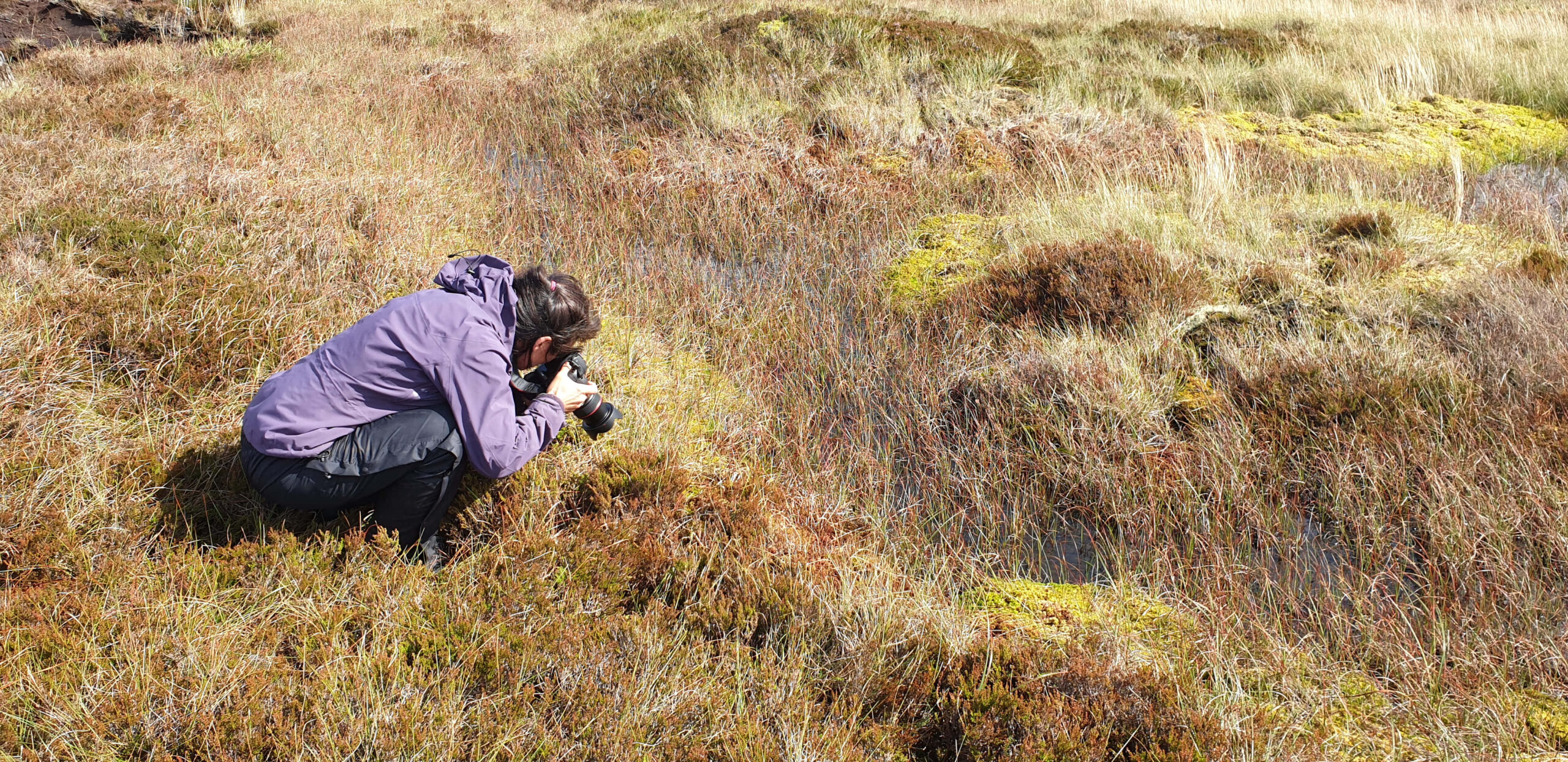
UK peatlands cover only 3% of the landscape but store more carbon than forests. It is estimated that over 3 billion tonnes of carbon is locked up in this precious ecosystem. They have huge ecological benefits creating crucial habitat as well as acting like a natural sponge, essential for flood prevention further down in the catchment.
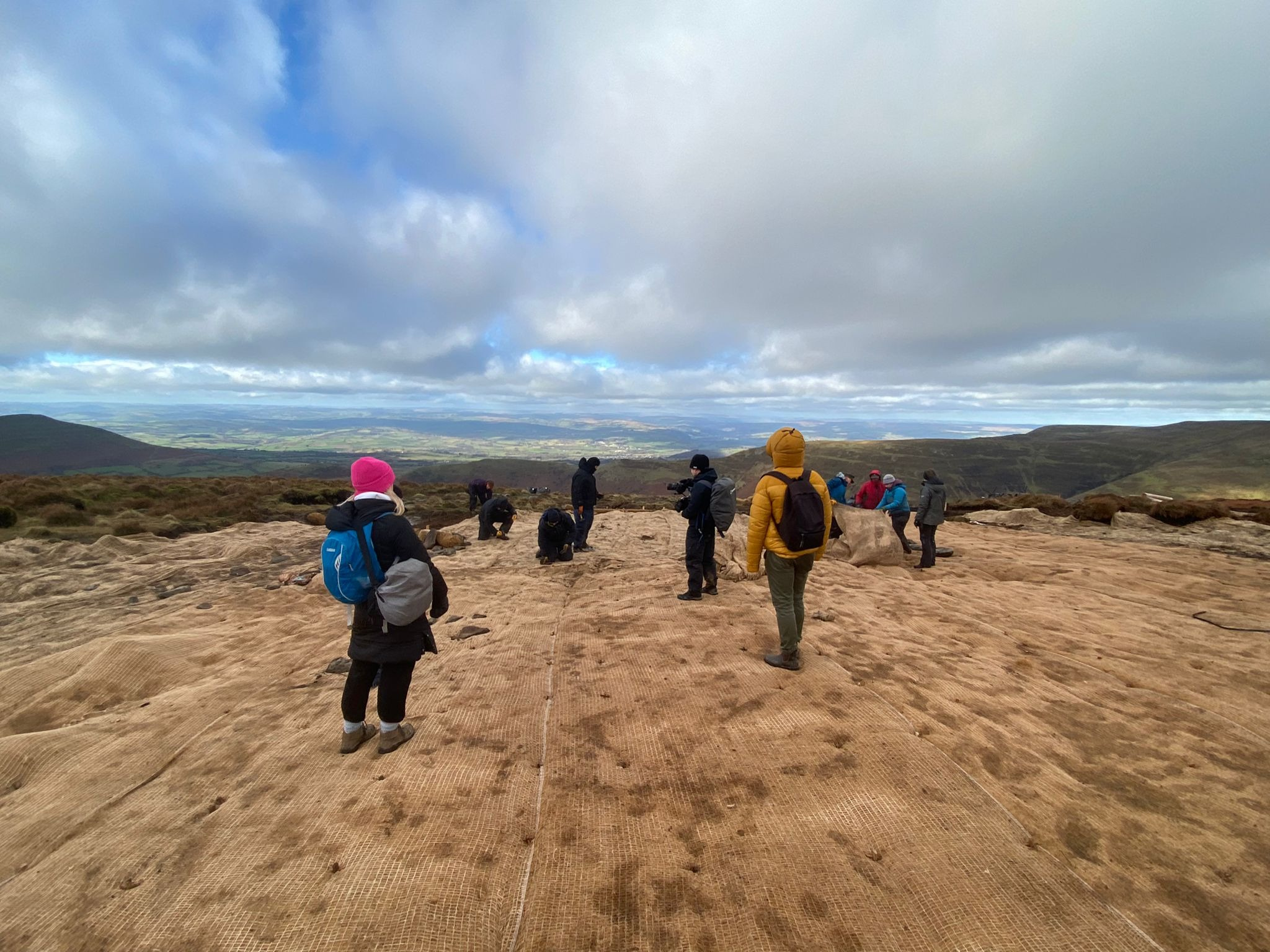
Peat is difficult to work with as it can become hydrophobic on the surface and is highly erodible to wind and rain. Wetting/drying and freezing/thawing cycles cause peat to swell and then contract. Natural fibre materials have been shown to be the most effective at controlling erosion and aiding vegetation establishment on eroding peat soils.
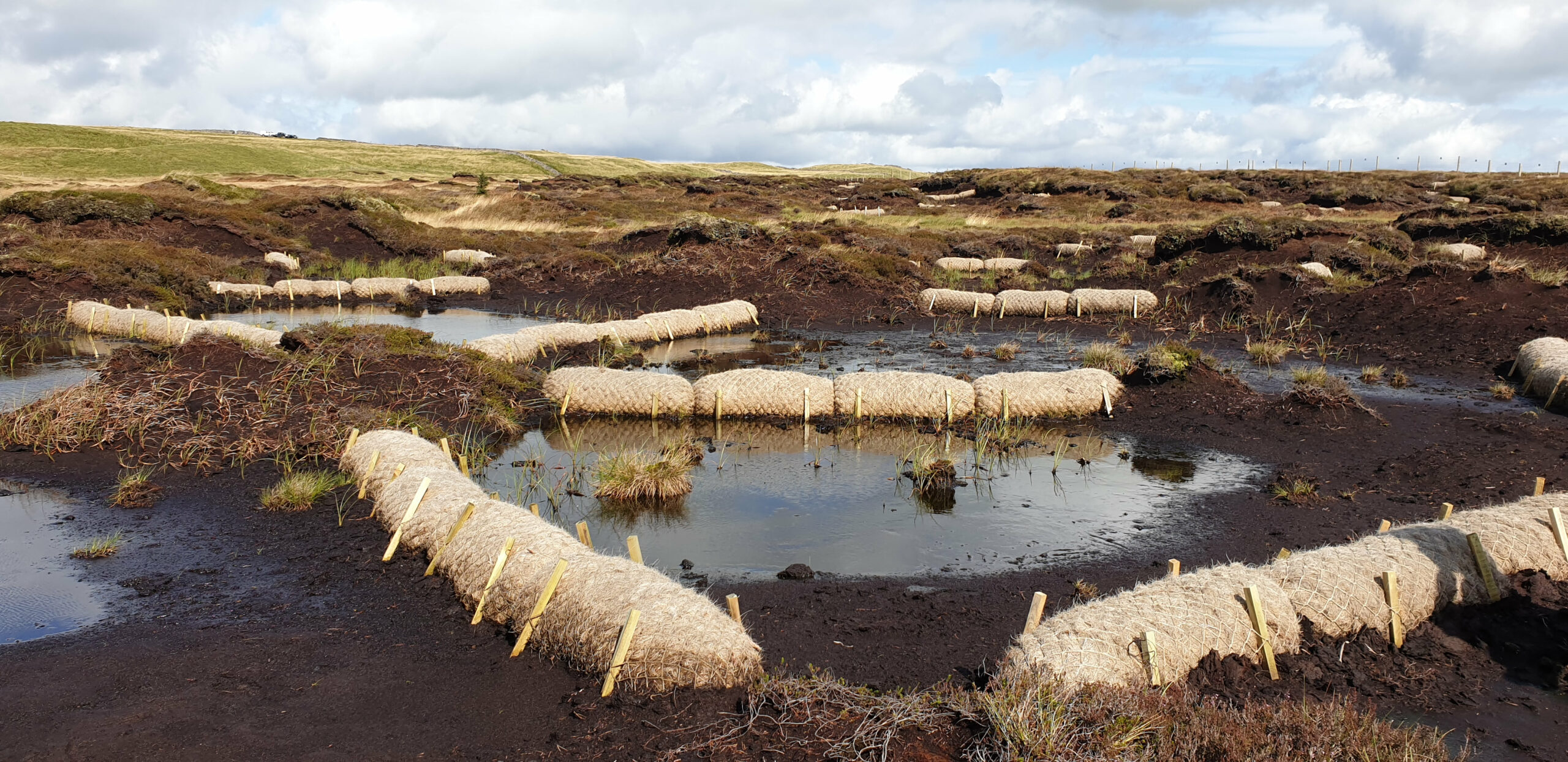
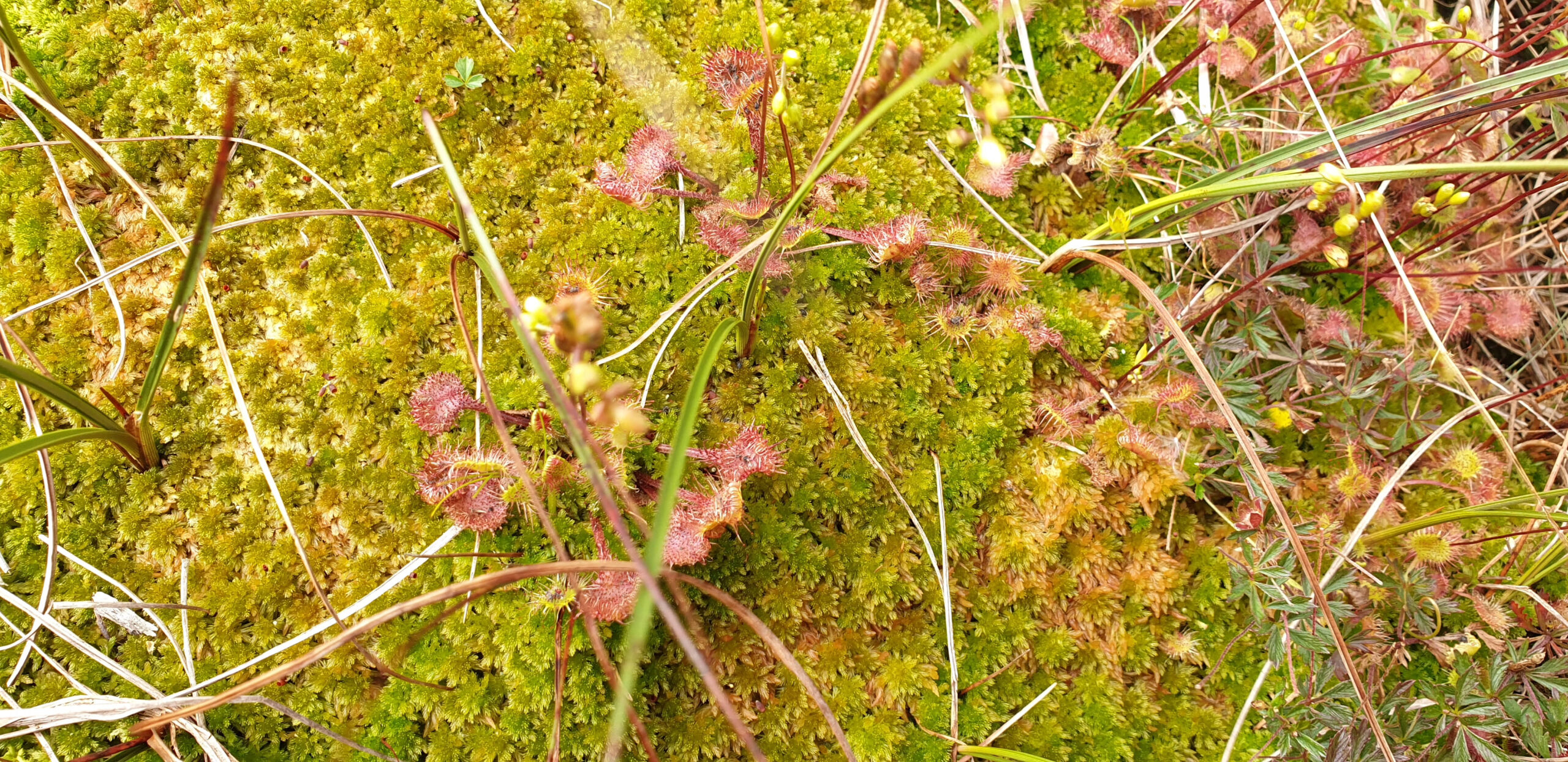
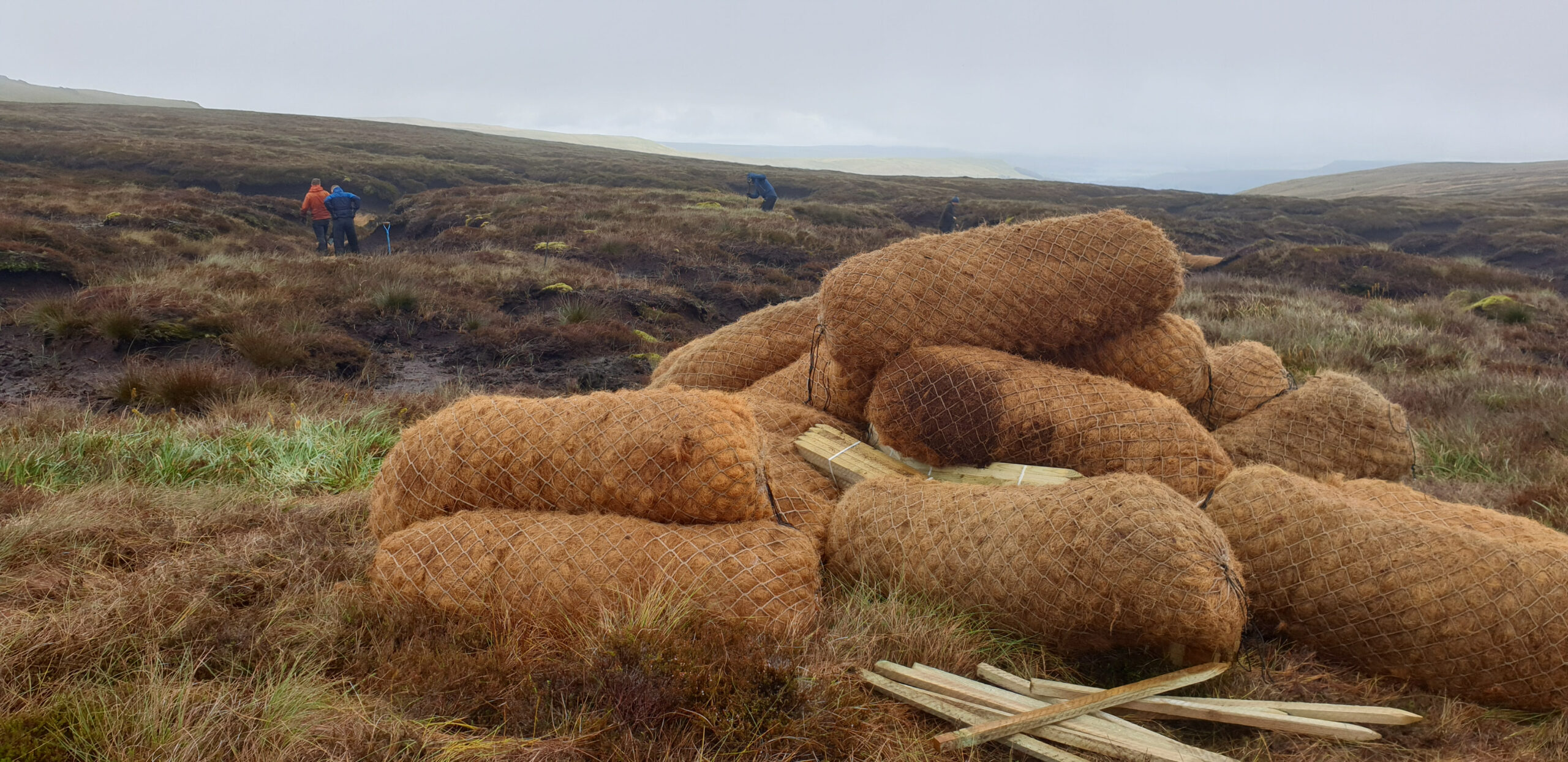
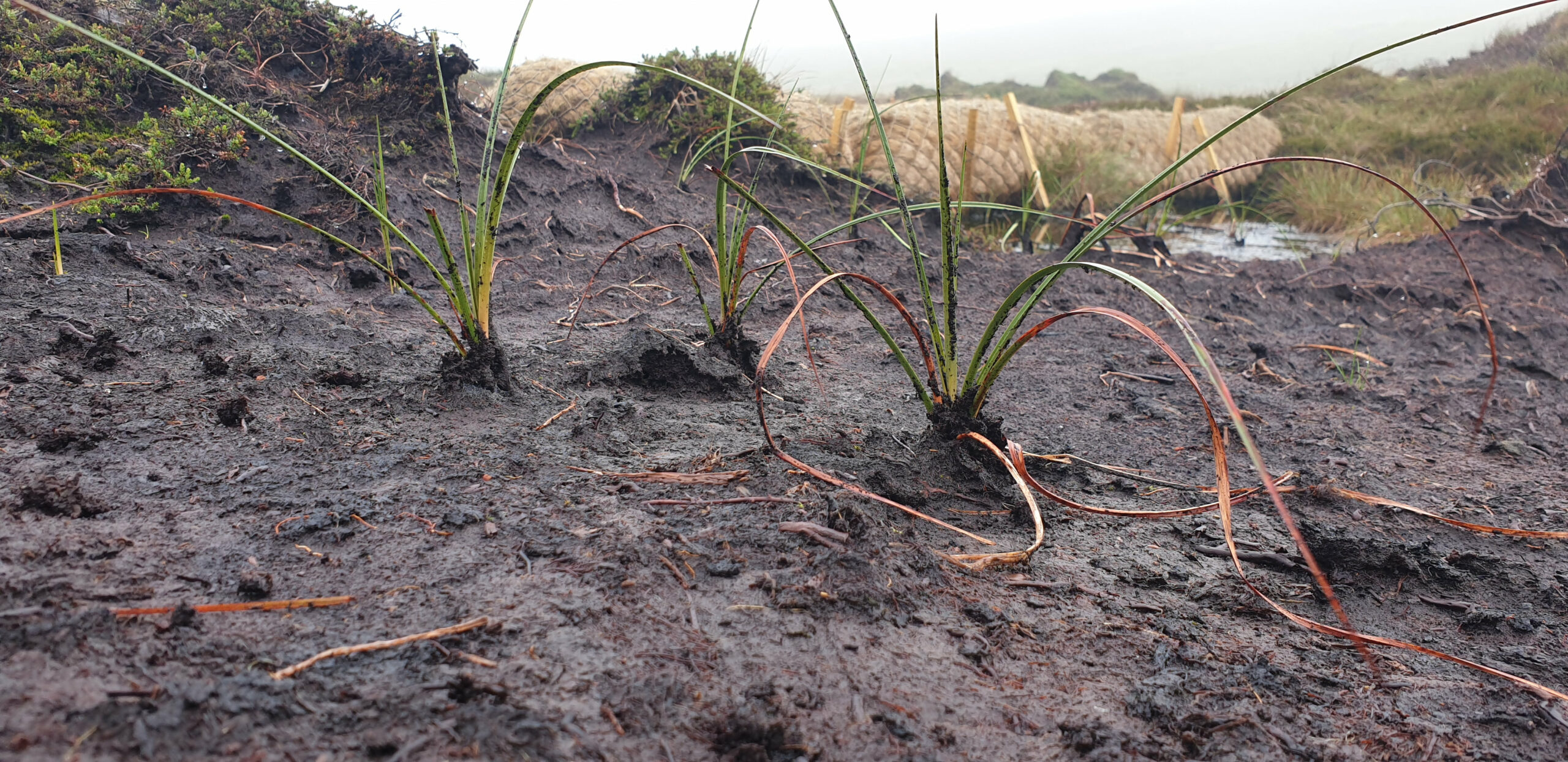
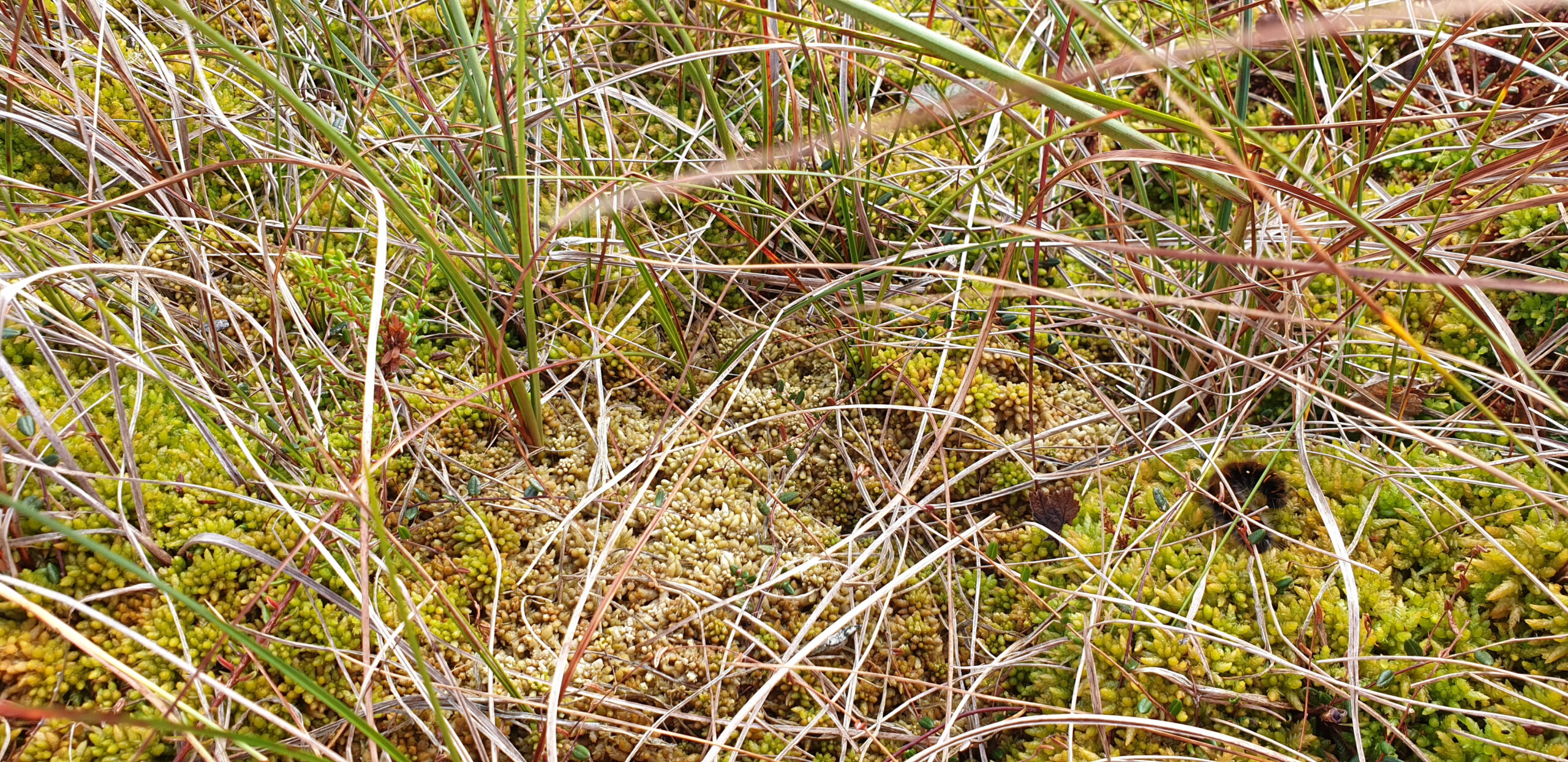
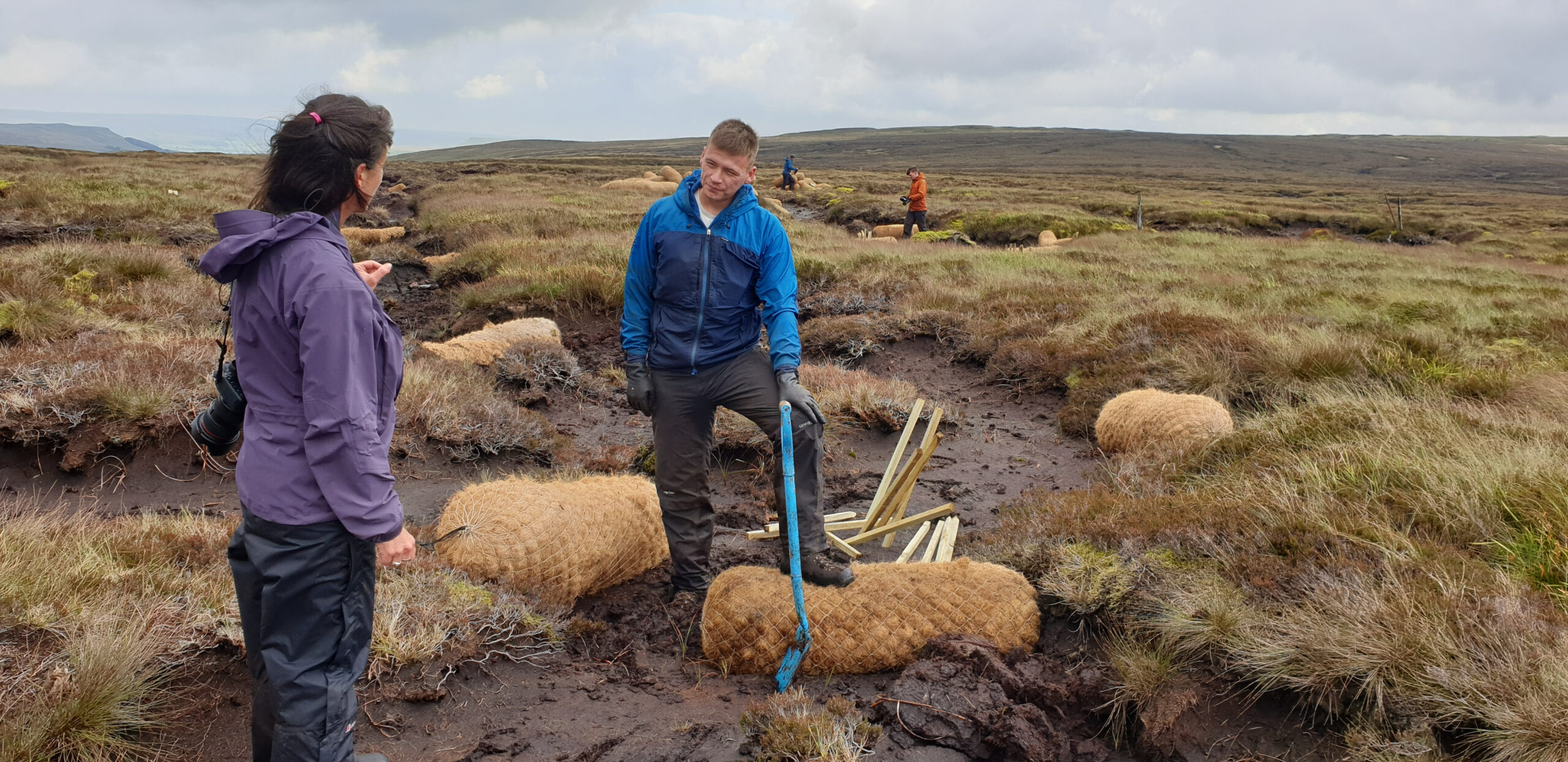
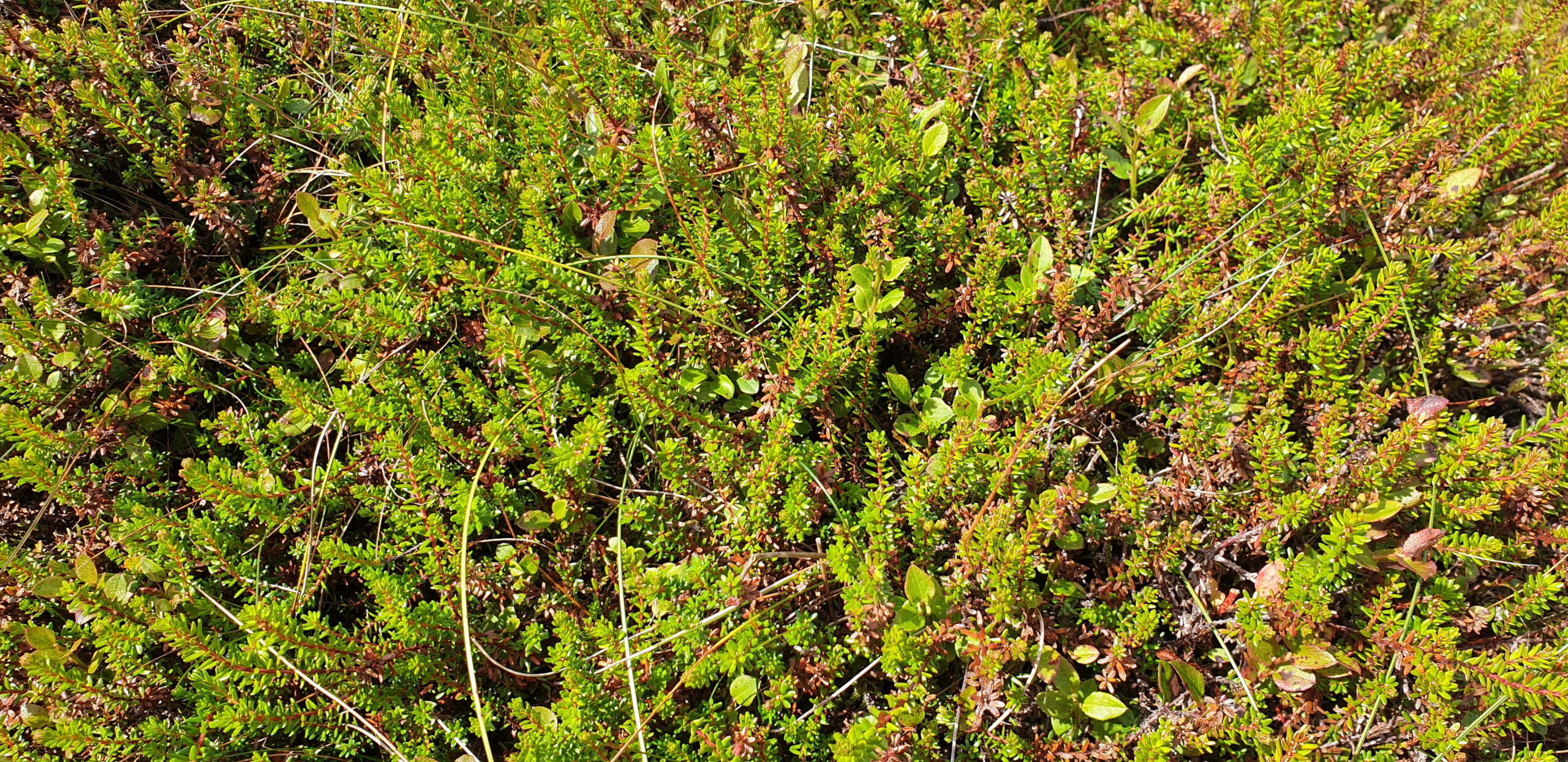
Coir rolls and sediment wattles can be supplied prefilled with coir fibre or filled with heather brash. Good for use within concentrated water flow areas where channels and rills are forming, as they slow the flow and break up slope length. They are also effective at trapping and storing eroded peat. Sediment builds and stabilises over time allowing recolonisation of species such as Cotton Grass, Crowberry, Bilberry and Sphagnum. Blocking the channels changes the hydrology almost immediately. Slowing the flow and stopping peat from washing away is vital for a fully functioning bog.
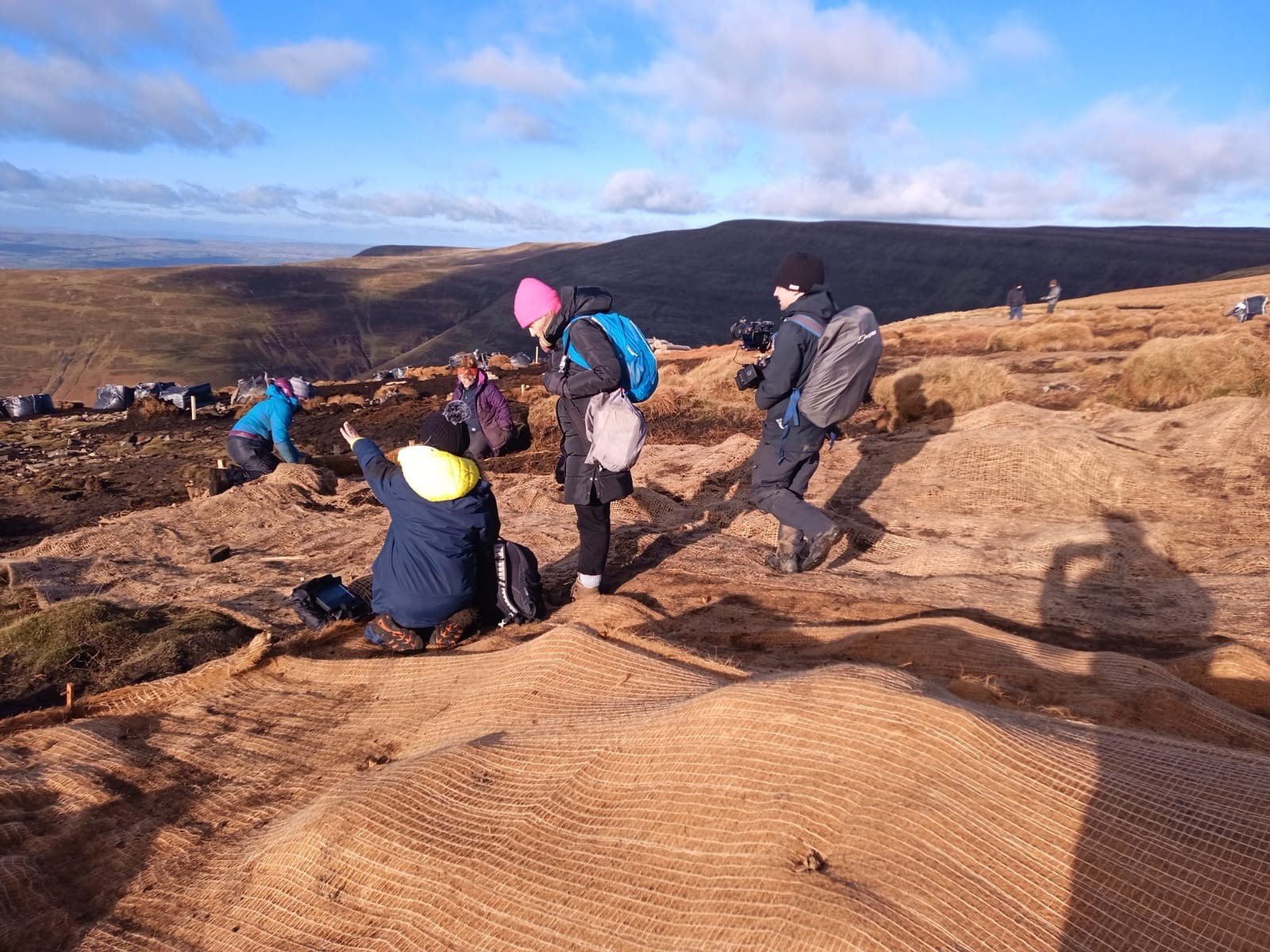
Our coir blankets C125BN offer a high soil erosion control function and conform well to the ground and create the best microclimate of all natural fibre products. Functional longevity is around 18 to 24 months.
CocoNet 800 is a hand woven coir netting. Hand woven coir net (as opposed to tighter machine woven yarn) can be effective on peat soils as it provides greater surface roughness and drapes better than machine woven nets. Coconet 800 is not as flexible as jute netting but it will function for a considerably longer period due to its high lignin content, whereas jute netting is high in cellulose and low in lignin.