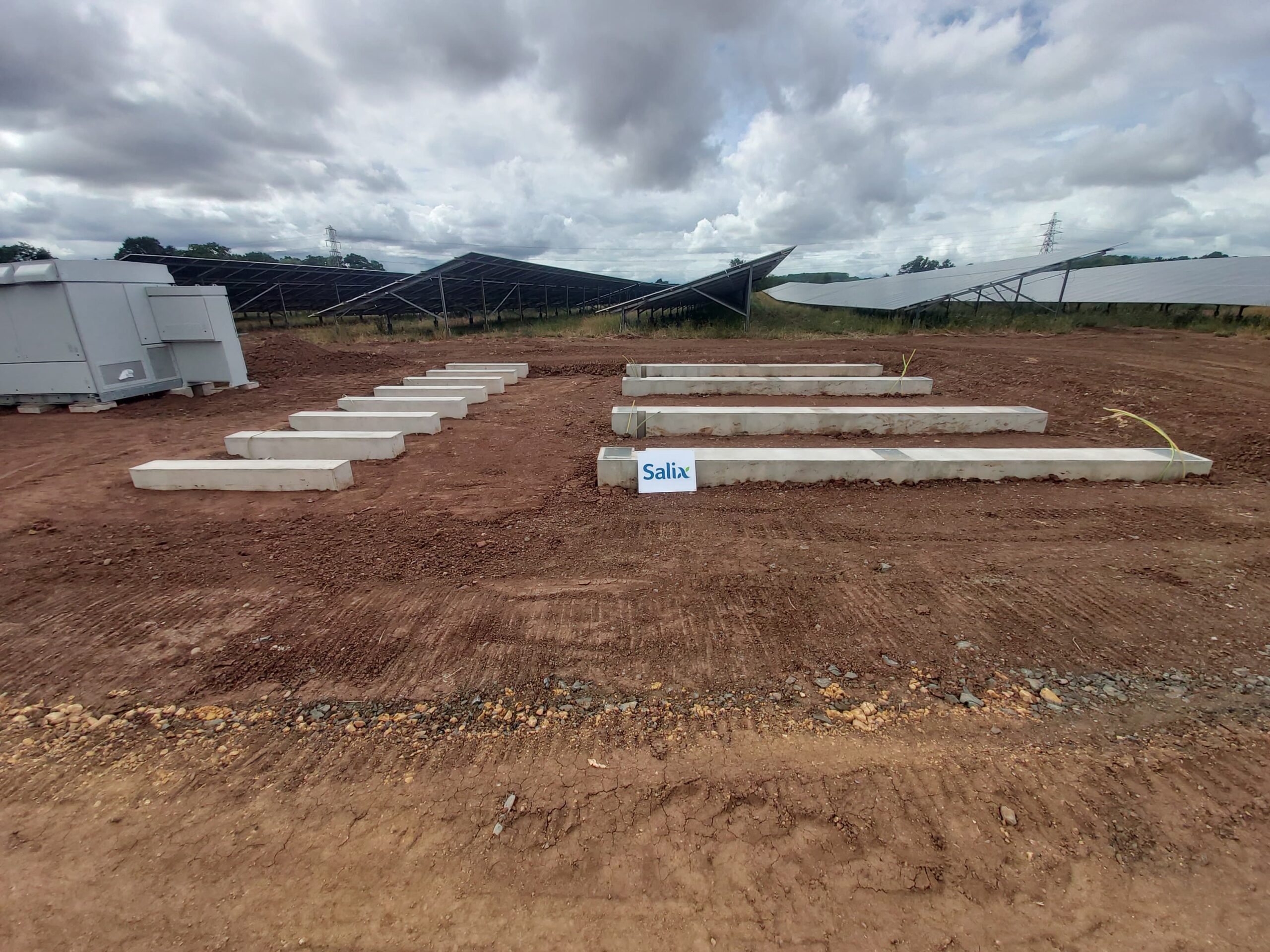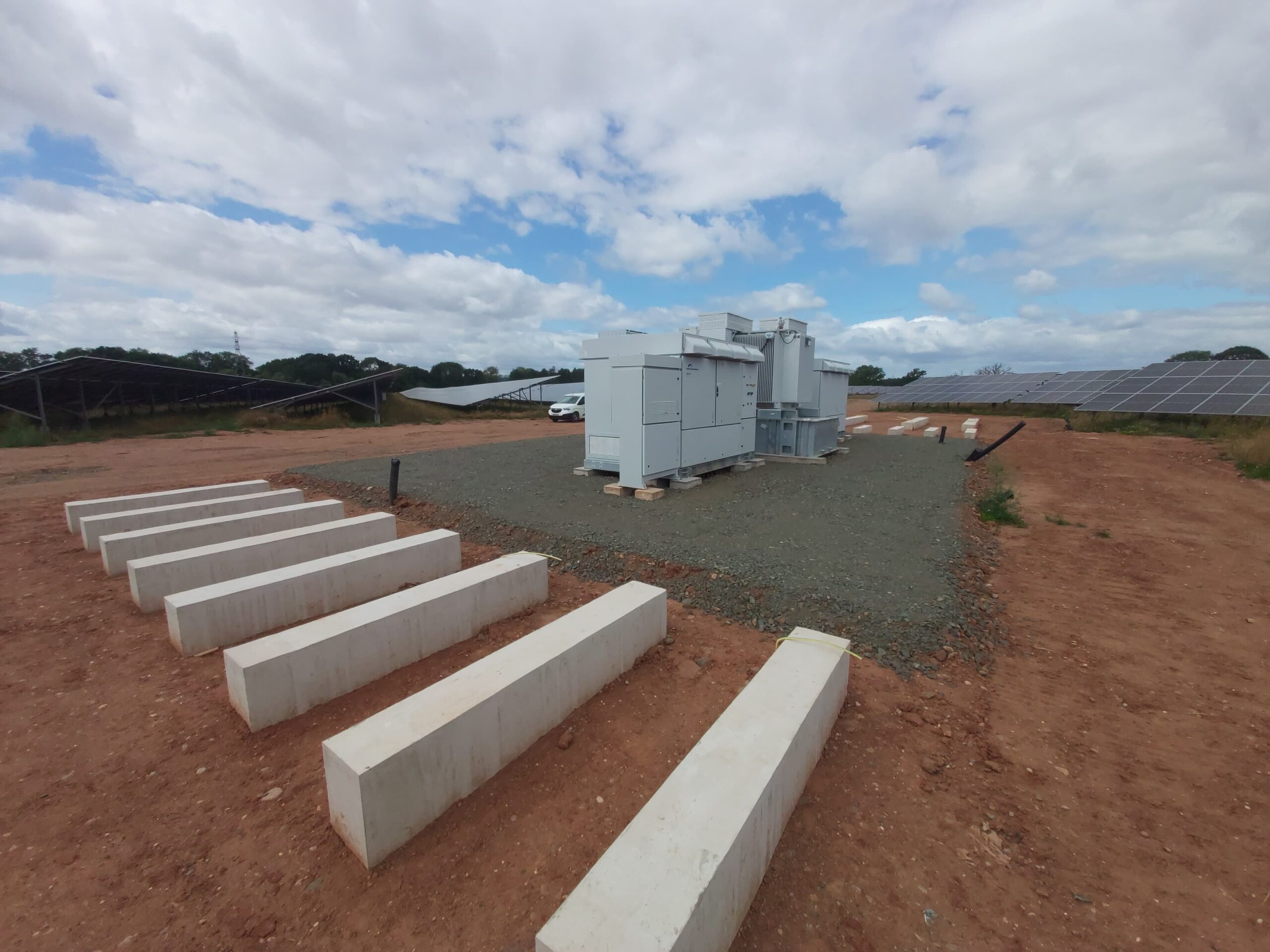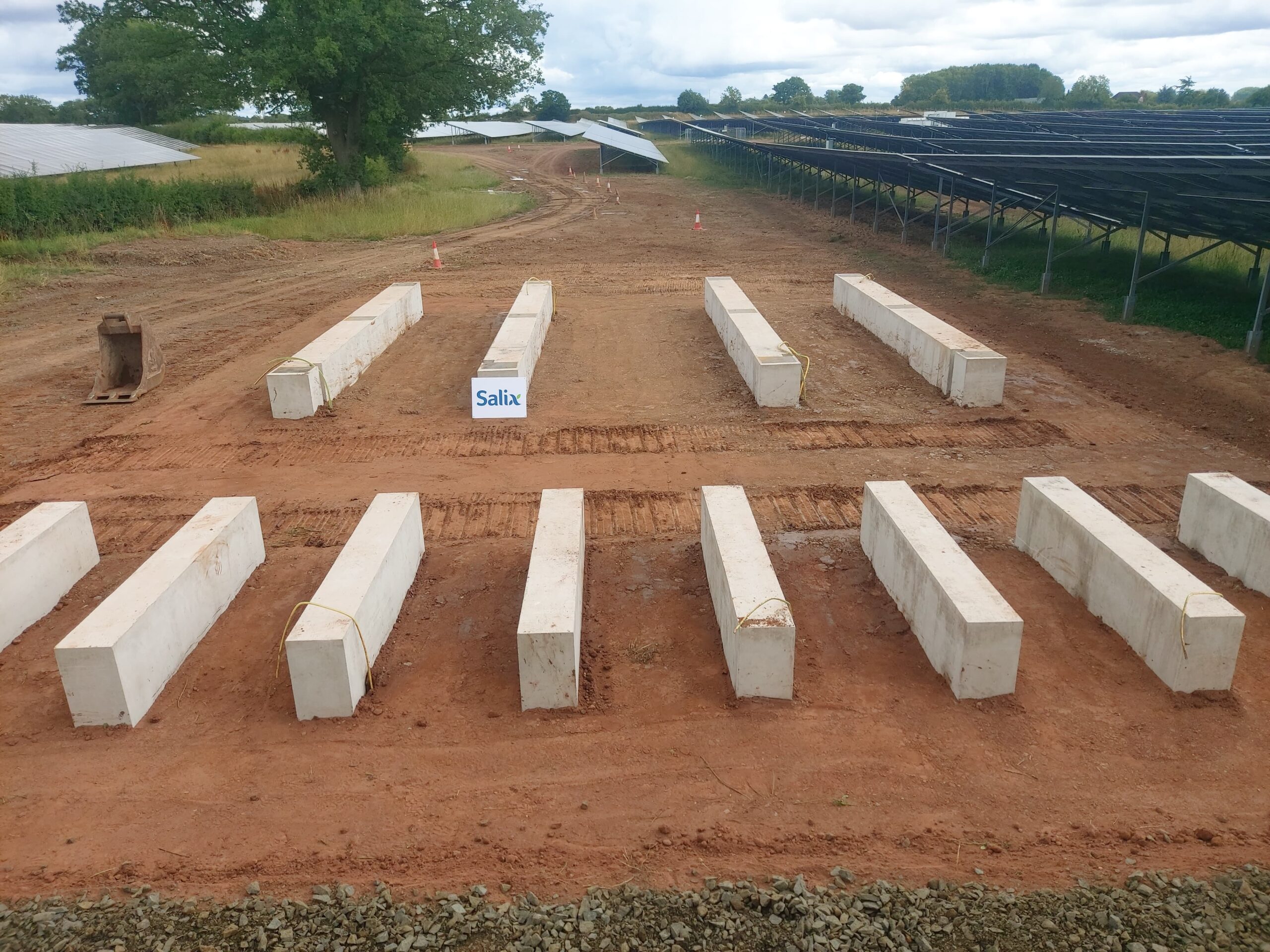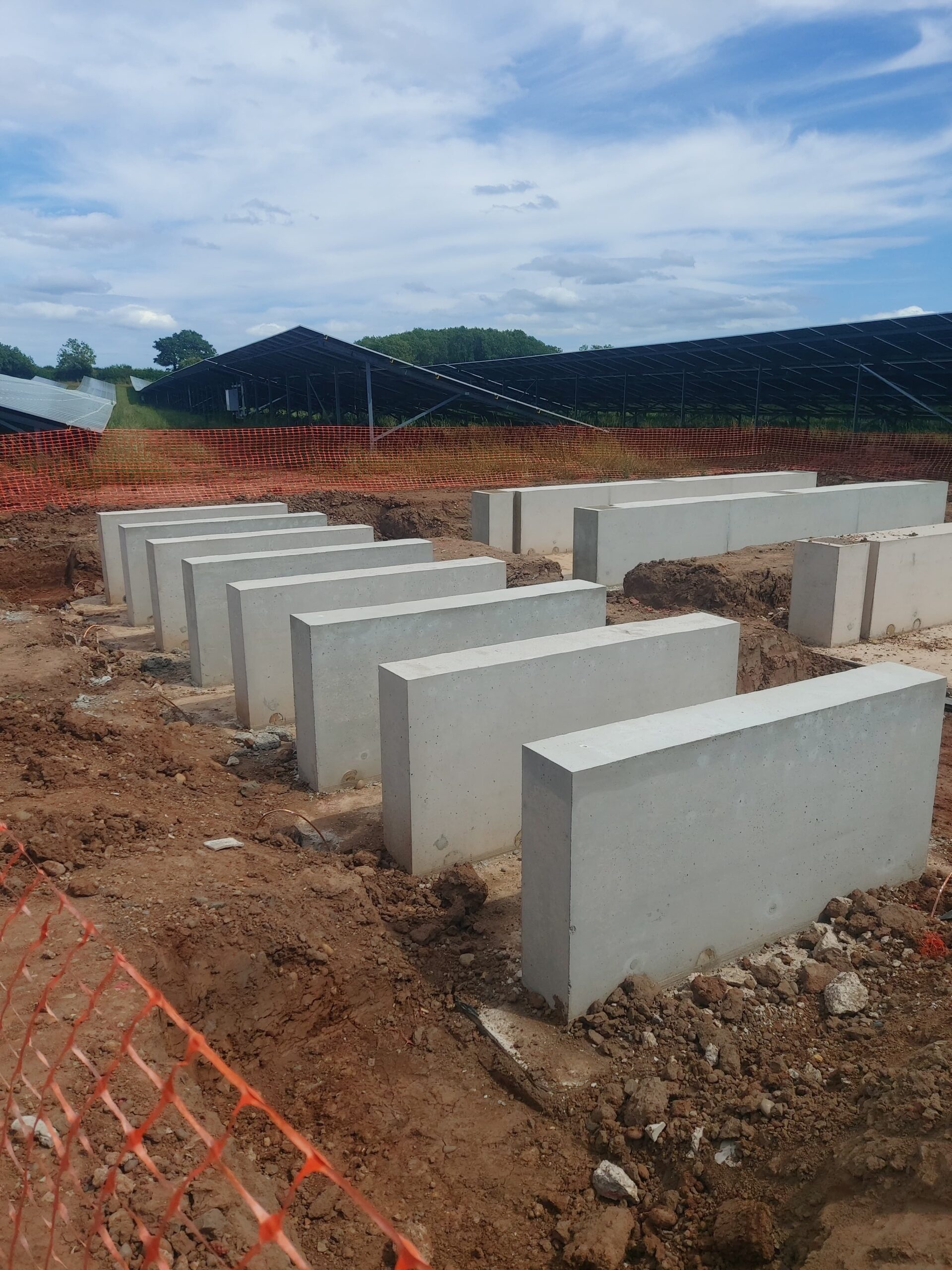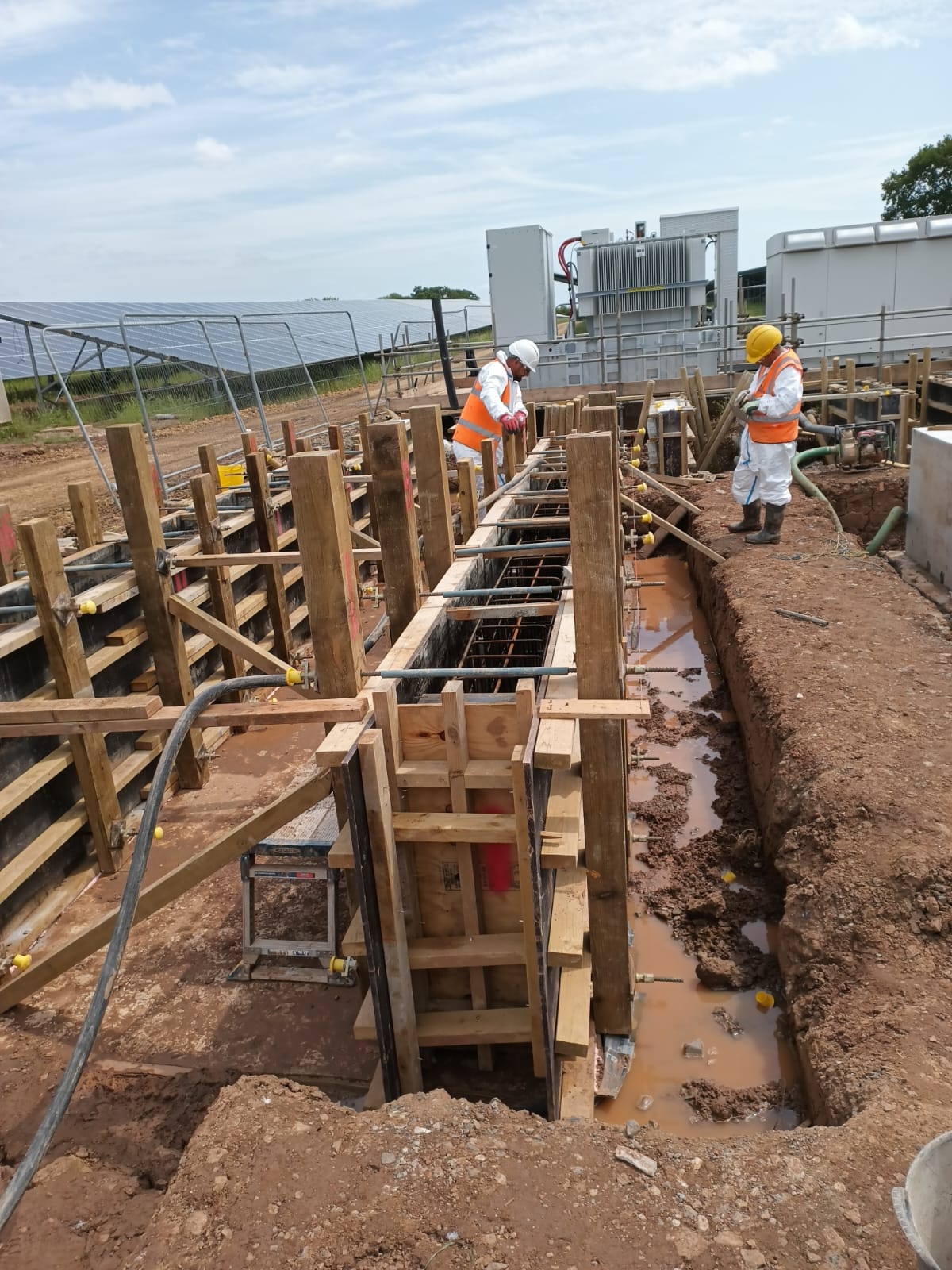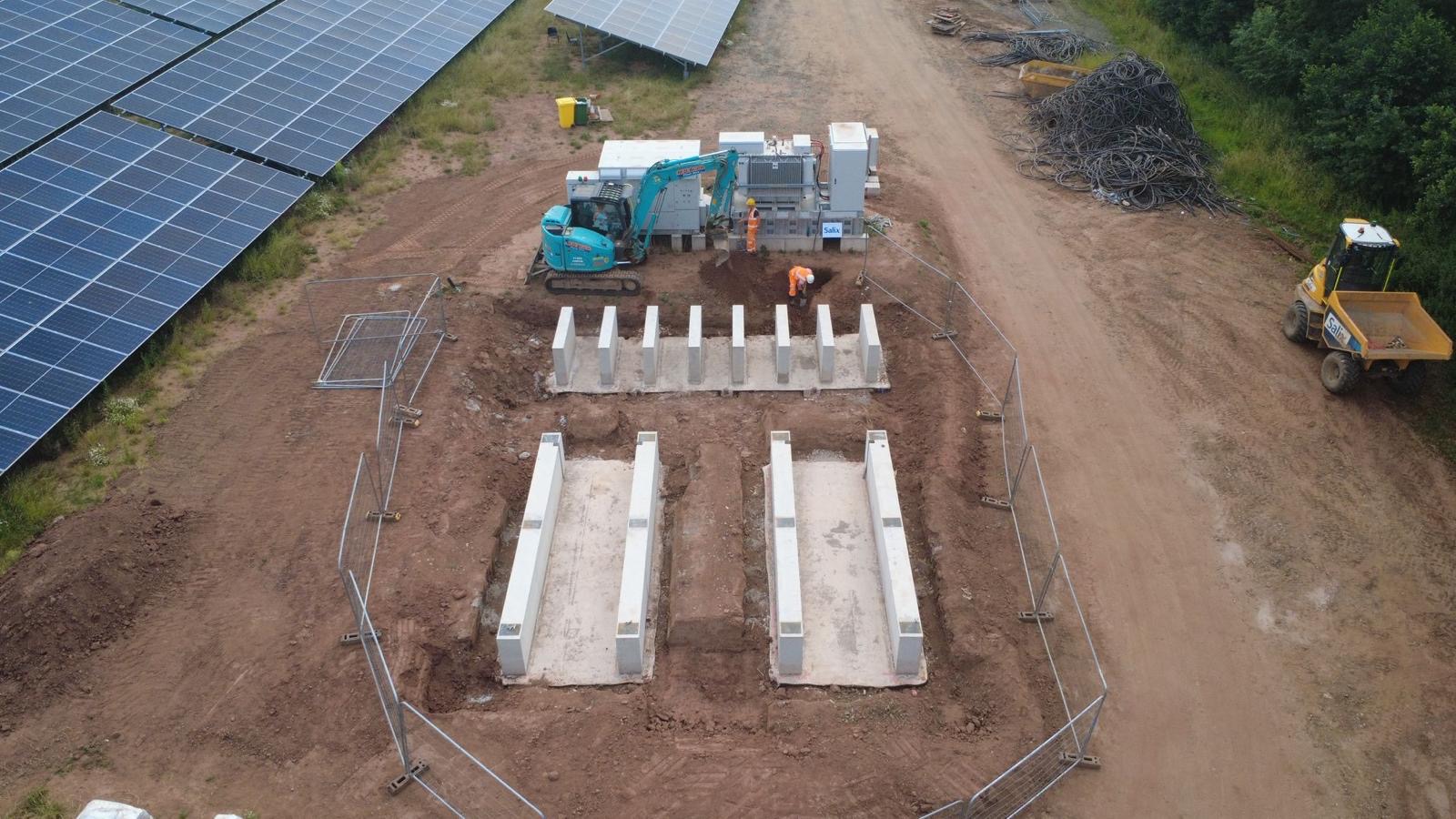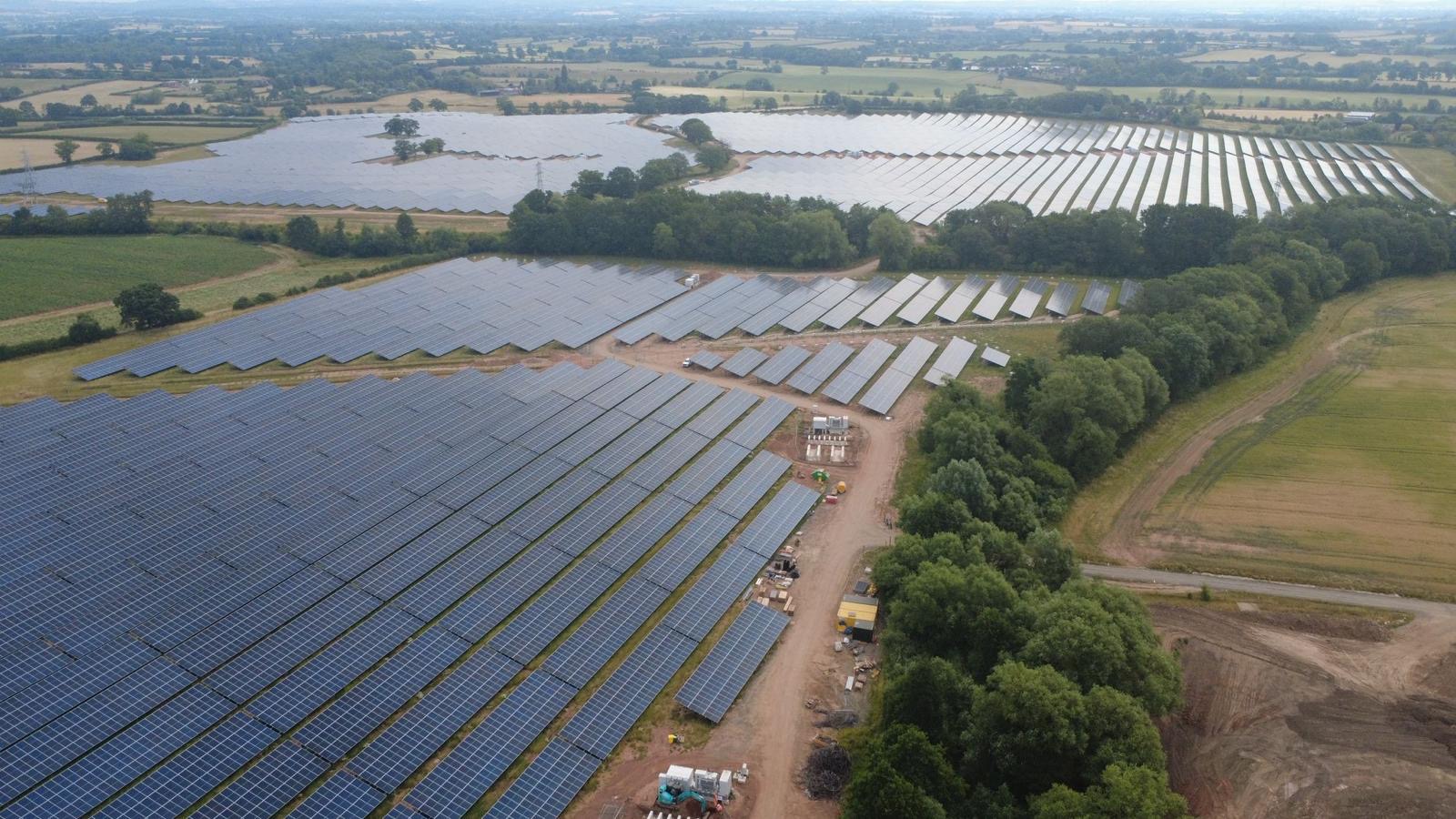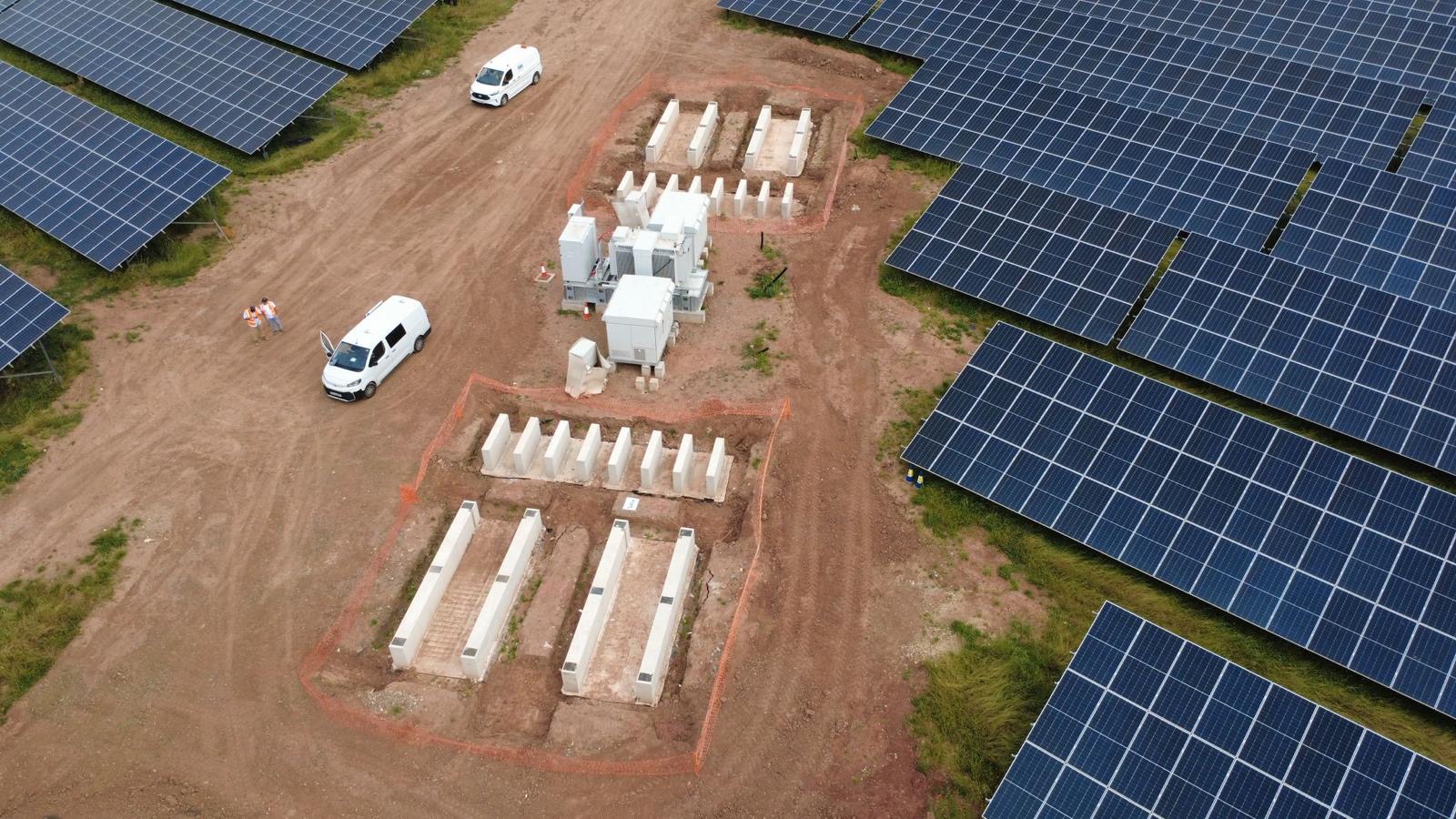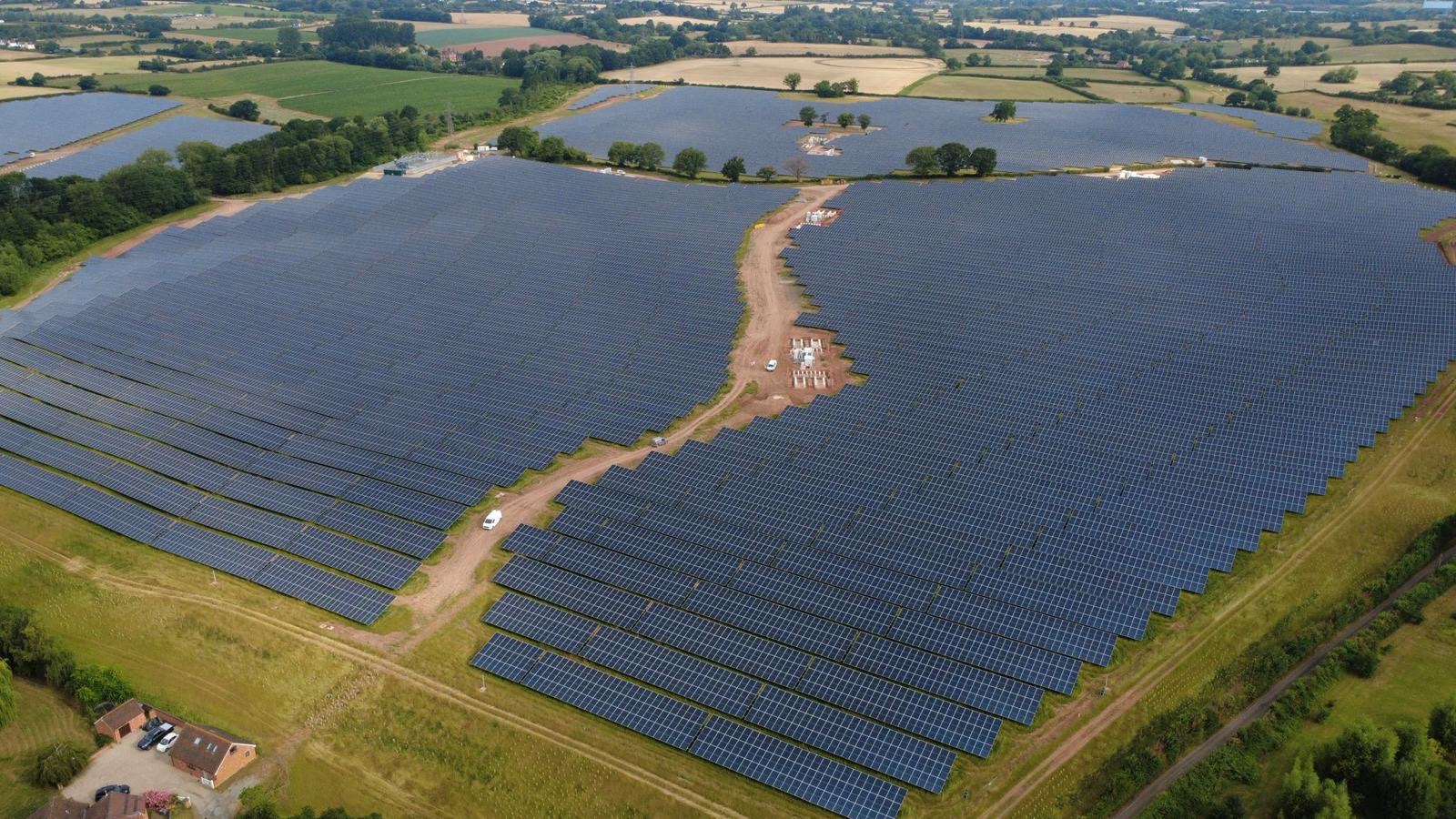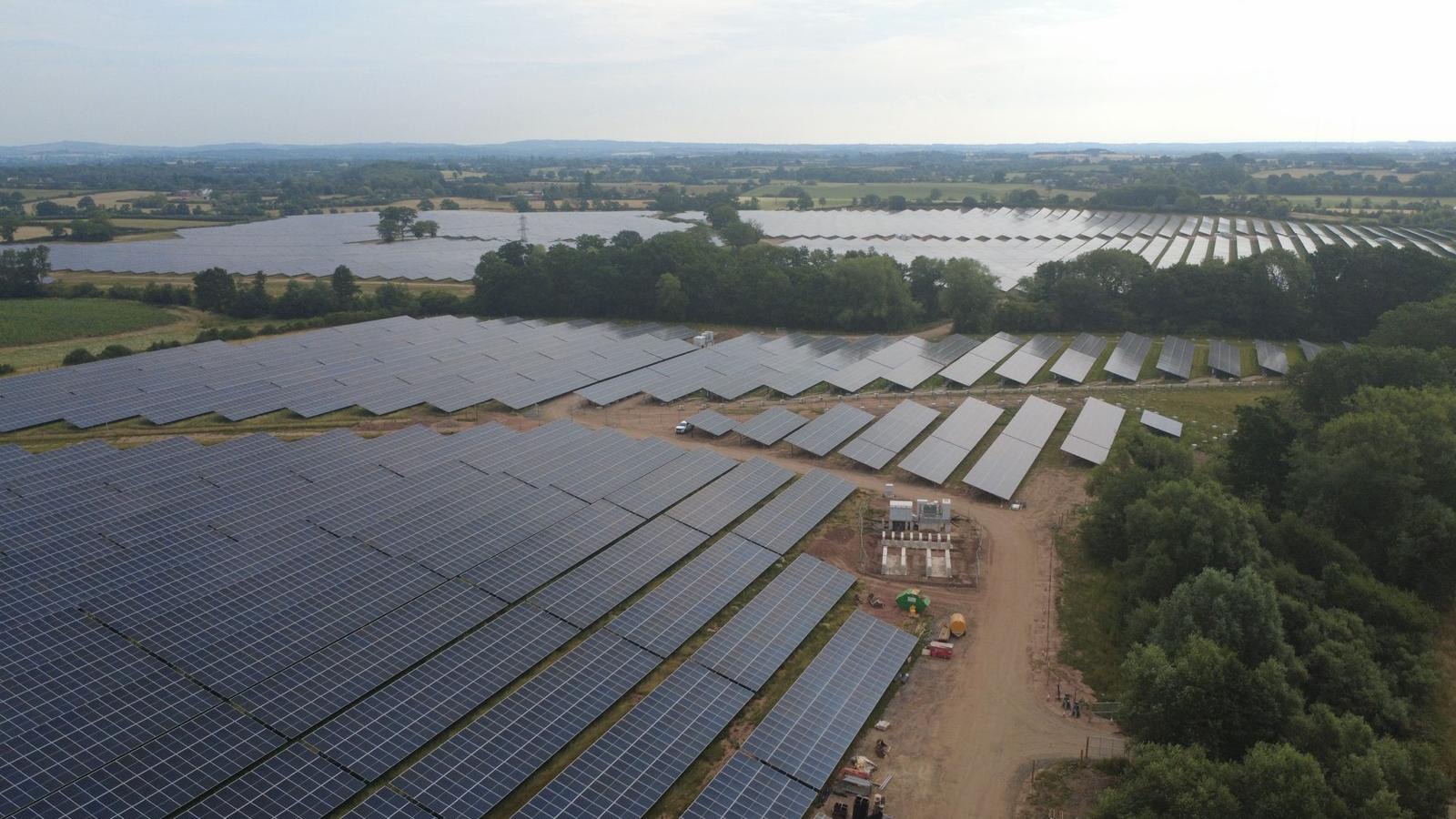


Salix was commissioned on a sub-contract package under the main ECP contract to undertake Civil infrastructure works associated with the construction of a 62MW Solar Farm.
The scope of works comprised of all trenching/ excavation works across the site, in total 27,500m of trenching were excavated for the installation of the LV, HV and fibre optic networks required to support the commissioning of the Solar Farm.
Trenches were of varying depths, widths and compositions, some of which had single bare earth cables in, others had up to 32 No. cables. The multi-purpose utility trenches had multiple levels within them at which a varying number of either direct buried cables or 110mm ducts were installed, with a sand protection layer installed, warning marker tape and where applicable Stokbord protection plates.
As part of the scope of works Salix also pulled all cable sites wide into the trenches, again in varying sizes, from 300mm2 SWA cable to 33kv HV cables of larger size. In total 210,000m of cables were pulled into position, through duct networks and direct buried.
During the works we installed just over 25,000m of 110mm ducts, each one was roped and mandrel led to ensure cables could be pulled without delay or obstruction. We also installed circa 70 no. number of Stakka Box cambers with B125 cover and frames.
As part of the trenching works, excess as dug spoil was relocated to form on site bunds.
Quality control was extremely important, following our project specific quality plan and ensuring protection inspection test plans were undertaken on each trench for client sign off, was imperative to the success of the works.
We faced the challenges of various constraints, including
- Ongoing third-party piling works and other M&E contract works
- Overhead services – for which we devised a safe system of work, erected goalposts and utilised smaller plant and equipment to ensure the works were undertaken safely
- Ecological; badger setts, nesting birds
- Archaeological areas
Despite these constraints, we delivered the works on time in accordance with the contract programme.
Due to the haul road networks, we also had to undertake a significant number of road crossings, this coupled with the constraints noted above required collaboration and coordination with both our client and other on-site contractors to ensure smooth delivery of the programme of works.
Along with the main cable trenches and runs we were also commissioned to install the 6mm string cables on site, of which totaled well over 300,000m of cable to be pulled into position.
Once pulled into the combiner box locations, these cables were then required to be carefully dressed beneath the Solar Panels and onto the Framework. Attention to detail was critical on to this activity, with a best practice guide as the reference point and our ITP’s prepared and ready. Anything that was not in-line with the best practice dressing guide would have been rejected by the client.
We had to ensure adequate protection on the straps corners of the solar panel framework and that all sections of exposed cables between panels were carefully covered with small 20mm ducting to ensure no UV exposure.
We followed detailed stringing drawings to ensure all cables were running to the correct position from the combiner box, the correct number of string cables were terminated at the right panel in line with the circuit requirements and, that all follow-on electrical works could be undertaken successfully by others.
We completed the works, totaling 25,000 man hours, without incident. We achieved this through supervision, adhering to our safe systems of work and ensuring that we always followed safe digging practices.
Our Cat and Genny trained operatives worked with our full-time site engineers ahead of the excavation works to mark any known services or obstructions and bring this to the attention of the excavation team.
As-Built surveys were taken at every layer of the installation and recorded as part of our quality control procedures.